My niece needed a piece of simple software to measure reaction times for a school research project. Apparently, it isn’t that simple to find a simple tool to accomplish that, so i made something in an afternoon that runs in a browser she could use.
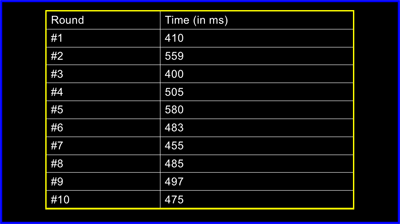
The reaction test goes like this: after clicking ‘start the test’ ten random items appear, either a small image or a sound. You then need to press the spacebar as fast as you can. After the test is over a scorecard appears with your reaction times in miliseconds.
The application should work in Firefox, Opera, Safari and Chrome. I haven’t tested it in some other browsers (*cough* Internet Explorer), so if it doesn’t work try Firefox.
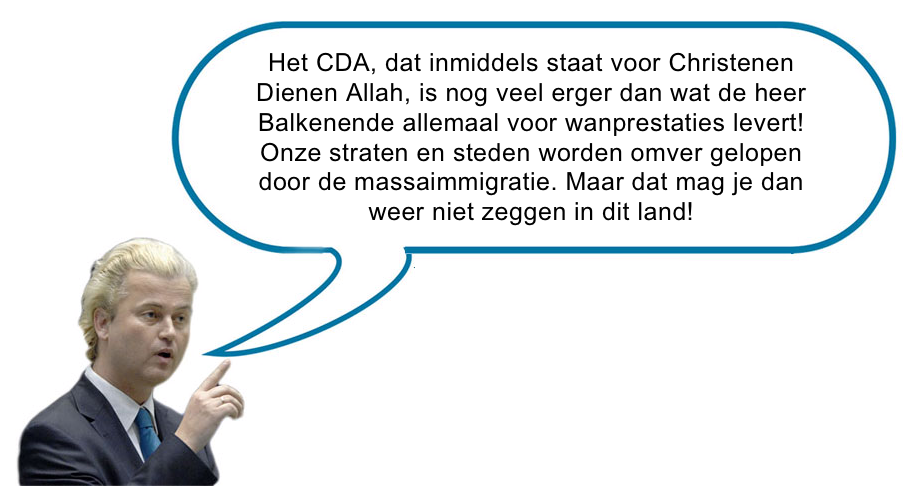
Het waren vandaag weer algemene beschouwingen. En dan kun je er zeker van zijn dat je in ieder geval bij één kamerlid kan lachen, en dat is natuurlijk Geert Wilders. Zijn toespraak tijdens de algemene beschouwingen was wederom een klassiek voorbeeld van Wilderiaanse moslimhaat, xenofobie en plat populisme.
Geweldig materiaal natuurlijk voor mijn Wilders citaten generator! Daar zitten nu twee keer zoveel zinsdelen in zodat er meer dan 9,063,040 combinaties mogelijk zijn. Want in zijn toespraak zaten weer werkelijk een paar pareltjes:
Maar ze gingen toch linksaf. Omdat hun ideologische TomTommetje al sinds de sixties staat afgesteld op ‘linksaf’.
De enige route die de PvdA voorstelt is om een paar extra rondjes te rijden op de grachtengordel.
Goed nieuws voor het CDA. C-D-A, dat inmiddels staat voor Christenen Dienen Allah.
Als onze nieuwe Nederlanders zo graag hun liefde voor die zevende-eeuwse woestijnideologie willen tonen, doe het maar lekker in een islamitische land, maar niet hier, niet in ons land.
Creative Commons published a report yesterday about how people interpret the term ‘non-commercial’ in someof theirlicenses. Interesting stuff, because the term ‘non-commercial’ is a pretty ambiguous one, that can lead to fierce debates within the free culture and open source movements.
It’s a difficult question, but it might have something to do with the nature of the work.
The main problem with NC-licenses is the ambiguity of the term ‘non-commercial’ when reusing content. The CC-research has shown that the interpretation of ‘NC’ is pretty much the same with both users and creators, even around the globe. However, that doesn’t really resolve the issue of ambiguity, as re-stating the definition in the license itself, or creating more licenses has been shown in this report to be a bad idea.
That isn’t as big a problem for individual creators though. Reuse of media will probably stay within the ‘personal use’ or ‘redistribute’ limits, and the NC license mostly touches upon all cases where people might make money from the content in a commercial way. Modifications to the original media are not very common.
This isn’t the case however with a project like Wikipedia, where mass collaboration is the basis of the medium and it is really inherent to creating content. Any ambiguity on how ‘non-commercial’ should be interpreted is likely to much more of a problem than with works created by an individual.
That’s why it’s so important, for projects like Wikipedia, to use a license such as BY-SA that it usable by anyone, at anytime, for any purpose without that ambiguity.
Dat wazig iPhone-fotootje hierboven is van het prullenbakje in de heringerichte treinen die sinds een tijdje tussen Utrecht en Rotterdam / Den Haag rijden. Dat kleine, onschuldig ogende prullenbakje richt nogal wat ellende aan: het zit aan de achterkant van de stoelen, precies in het midden. En dat is precies de plek waar normaal gesproken je benen zitten als je in de trein zit. Het prullenbakje is gemaakt van hard metaal, dus elke keer als je een foute beweging maakt kom je met je knie tegen het harde metaal aan en heb je een blauwe plek.
Als je twee stoelen voor jezelf hebt kun je nog wel een klein beetje je benen handig neerzetten, maar als je met z’n tweeën zit ben je eigenlijk continu bezig om niet tegen het harde metaal aan te beuken als de trein een scherpe bocht neemt.
Dat dit door de testfase van de nieuwe inrichting is gekomen is onbegrijpelijk. Nieuwe inrichtingen worden compleet, op schaal, nagebouwd dus het is onmogelijk dat mensen dit niet eerder hebben gemerkt. Verder is het prullenbakje zo klein dat er nauwelijks iets inpast, dus je vraagt je af of ze het niet beter helemaal weg hadden kunnen laten.
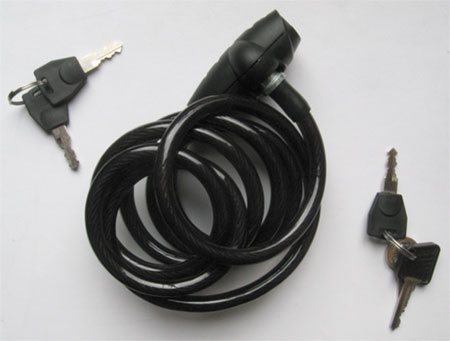
Ik moest een nieuw fietsslot hebben, omdat de oude door iemand was doorgeknipt. Omdat ik best tevreden was met mijn oude van de HEMA (een spiraalslot van 7,95) besloot ik dezelfde weer te kopen.
Het oude sleuteltje had ik nog. Dus ik dacht: het zou toch niet zo zijn dat ik mijn nieuwe slot met mijn oude sleuteltje kan openmaken?
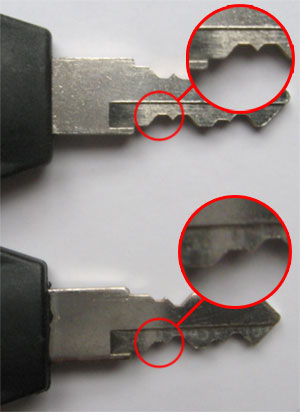
Het sleuteltje paste als gegoten. Met een klein beetje wrikken kreeg ik het slot zo open. Toen ik de baarden bekeek van de twee sleuteltjes snapte ik ook waarom:
Het verschil tussen de beide sleuteltjes is maar één klein tandje.
Nou is de vraag: is dit toeval? Of: verschillen de sleutels zo weinig van elkaar dat je met een willekeurig sleuteltje voor dit type slot al die sloten kan openmaken? Dat zou niet zo mooi zijn, want dan kan iedereen voor slechts 8 euro een heleboel mooie fietsen stelen, zonder dat iemand dat in de gaten heeft…
Het is bijna net zo slecht als de eikelsite en de kuddesite, het hiphopnummer wat is opgenomen om de OV-chipkaart te promoten. Je kunt je niet voorstellen dat iemand bedacht heeft dat dit een goed idee zou zijn. Ja hoor, de jeugd vindt dit vast heel ‘chill’ en ‘gangstah’ omdat ze nu opeens in hun ‘eigen taal’ worden aangesproken:
Een van de weinige keren dat commentaar op YouTube beter is dan het filmpje.
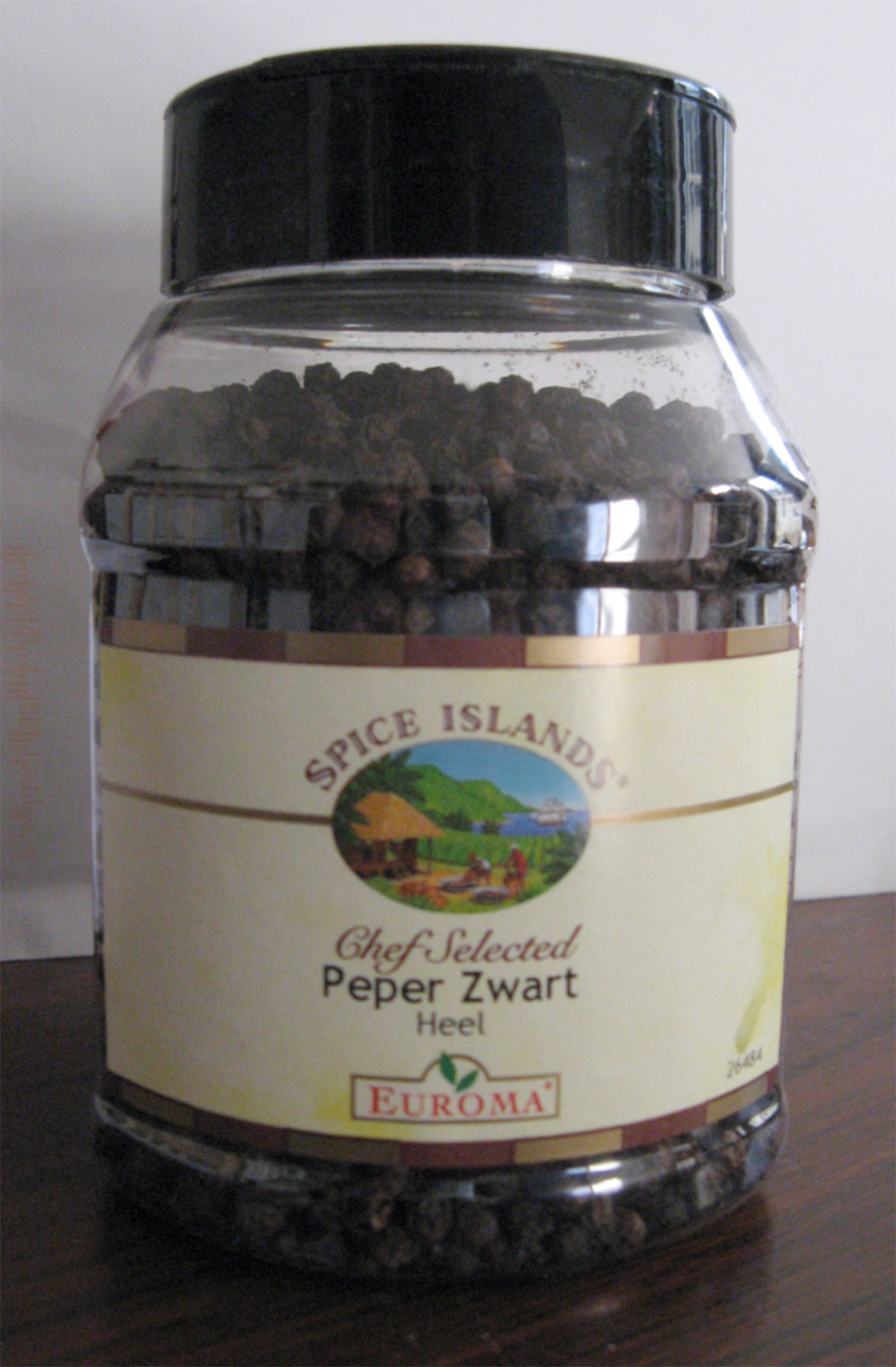
Hoe prijzen kunnen veranderen. Ik kocht dit busje met peperkorrels bij de Albert Heijn voor 4 euro 50. Dat is best een fors bedrag, maar vroeger was dat nog veel meer: peper was een zeldzame specerij die alleen door de allerrijksten betaald kon worden. Voor een dergelijk busje met 220 gram peperkorrels zou je tegen het einde van de 13de eeuw maar liefst 250 euro kwijt zijn. Ja, dan kun je toch beter pap en slap bier drinken…
I updated my JSON Viewer with two small usability fixes: the first node of the tree is now always shown and clicking on the url field only deletes the complete field if it is the default url. Get the source here.
If you’ve been reading some iPhone blogs and magazines you might have stumbled upon Emoji, small cute icons that are only available for Japanese iPhone users. There have been some hacks earlier to support Emoji icons on non-Japanese iPhones, but all of those required either buying an app, jailbreaking your iPhone or using a very cumbersome hack with a vcard.
Fortunately, there is a solution now that enables the Emoji icons for free, without jailbreaking or using the developer tools. Here’s how:
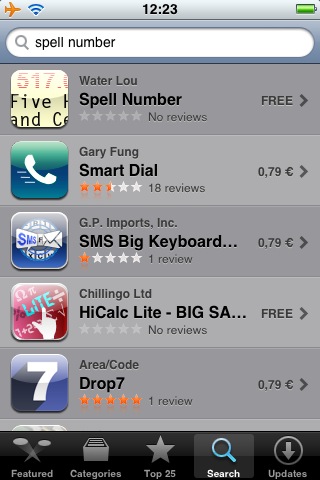
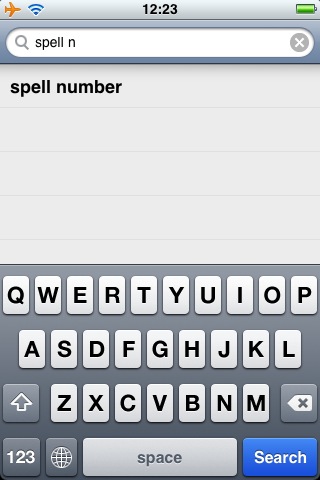
1) First: go to the App store on your iPhone and search for ‘spell number’, then tap on the applications icon.
2) Go ahead and install the app. It’s free!. You might have to type your password here.
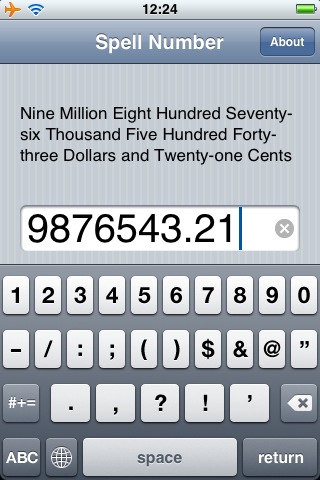
3) After installing, open the app and type ‘9876543.21’ (without the quotes). That’s it. Now exit the app and go to ‘Settings’.
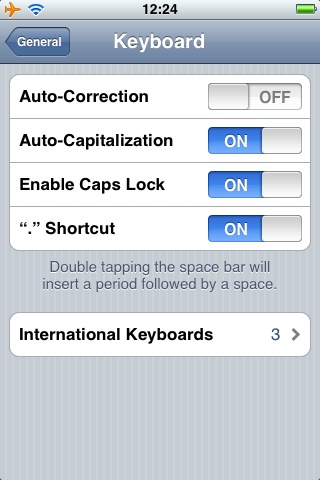
4) Drill down to General -> Keyboard -> International Keyboards -> Japanese
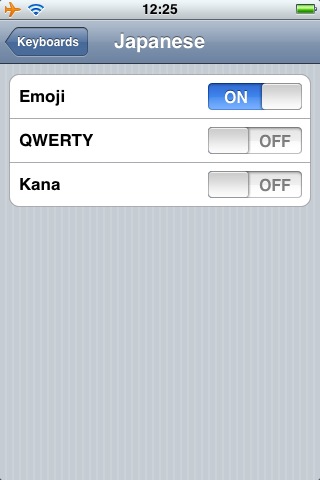
5) And there you have it! The famous ‘Emoji’ switch! The only thing you have to do now is set this to ‘on’.
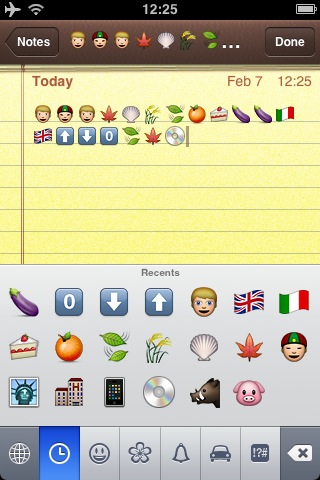
6) Enter Notes or some other application where you can type and have fun!